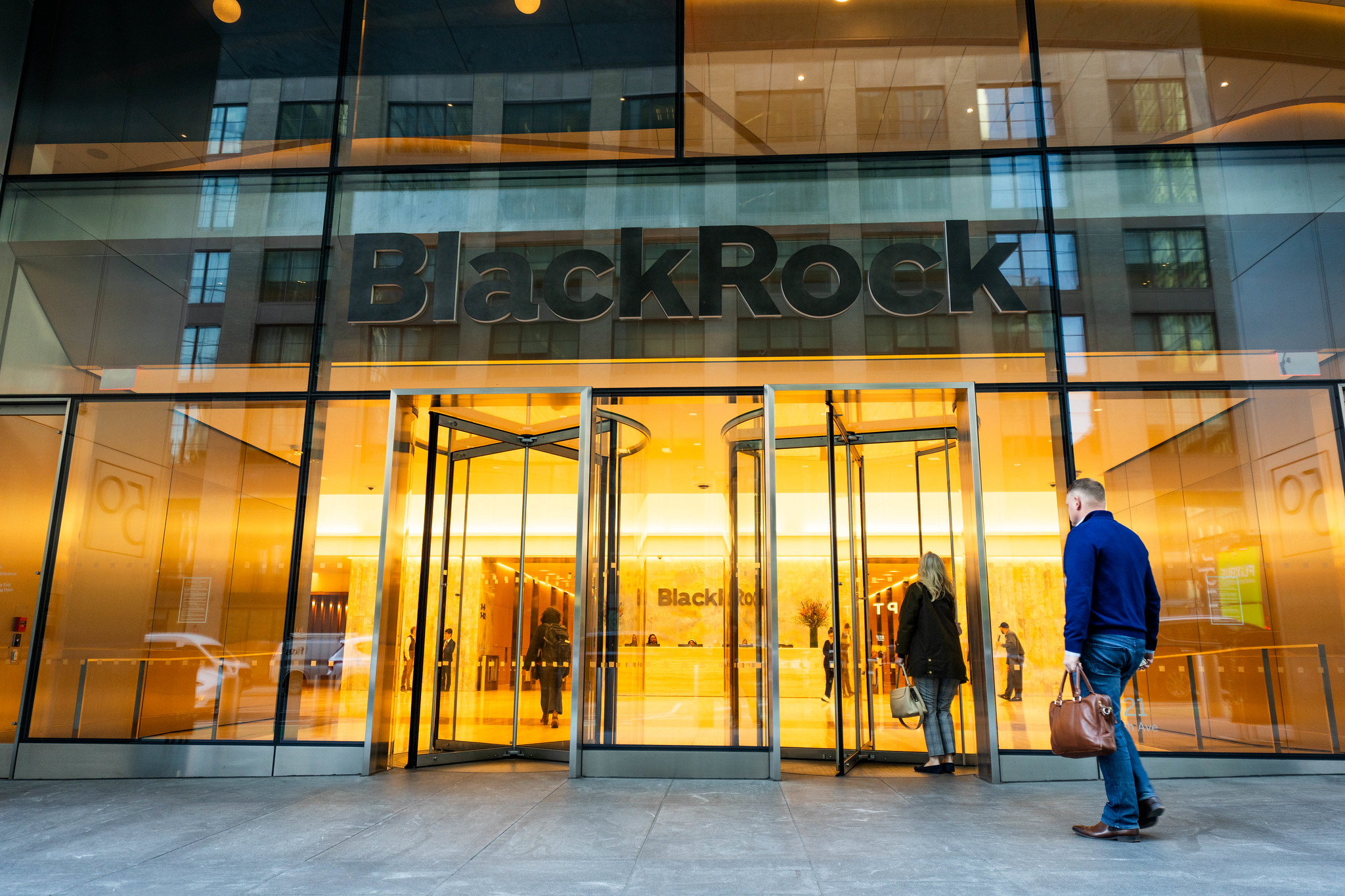
Private equity firms have made billions in health care, housing, and telecom, but often at the expense of consumers. Now, they’re setting their sights on the utility sector, with BlackRock’s bid for Duluth-based Minnesota Power’s parent company, Allete, as a high-stakes test case. The deal has sparked a heated debate among labor unions, environmentalists, ratepayer advocates, and Minnesota Power’s biggest customers: is it wise to let the world’s largest asset manager control a regional utility?
An administrative law judge recently urged Minnesota’s utility regulators to block the BlackRock buyout, warning that it could hurt the utility’s finances, undermine Minnesota’s carbon-free electricity goals, and ultimately raise rates while reducing reliability for more than 150,000 customers. BlackRock, the Canada Pension Plan Investment Board, and Allete fired back, arguing the judge’s report didn’t fairly assess the facts or the deal’s potential benefits.
The controversy dates to last year, when BlackRock—via its Global Infrastructure Partners (GIP) arm—and its Canadian partner announced plans to acquire Allete. If approved, GIP would own 60% and the pension fund 40%. Some watchdogs, like Karlee Weinmann at the Energy and Policy Institute, fear private equity is bringing its “extractive” business model to the heart of the power grid—streamlining operations, but often at a cost to workers and consumers.
Yet supporters, including labor unions, clean energy advocates, and Allete itself, say BlackRock’s deep pockets are essential for upgrading Minnesota Power’s aging infrastructure and hitting the state’s ambitious 2040 carbon-free energy target. “Advancing the clean-energy future requires significant investment,” said a Minnesota Power spokesperson, insisting the deal is needed to secure the capital for the energy transition.
Complicating matters, some groups point to mixed signals from Allete, which told regulators it needed private investment to fund its plans, even as it reassured federal securities regulators it could find the money elsewhere. Critics worry that private equity owners—who paid a premium for the company—will need to recover their investment through rate hikes or by pushing for costly new projects that may not actually serve customers.
Amid all this, a new force is changing the power landscape: the soaring electricity demands of artificial intelligence (AI) data centers. The U.S. Department of Energy predicts data centers could nearly triple their share of U.S. power use by 2028, making utilities a magnet for big-money investors like BlackRock and Blackstone (no relation), which is making similar moves in New Mexico and Texas. AI’s growth is a goldmine for utility profits, especially in states like Minnesota that require major new investments in carbon-free energy, batteries, and grid upgrades.
While some private owners have helped utilities move faster toward clean energy, others have simply passed higher costs onto ratepayers.
A recent settlement between Minnesota Power and the state Department of Commerce tries to address these concerns, temporarily banning rate increases, lowering profit margins, mandating capital for new projects, and imposing stiff penalties for poor service. Allete says it will remain locally managed and regulated no matter what. The final decision rests with the Minnesota Public Utilities Commission.
What happens next could set the tone for utility investments nationwide. As BlackRock and Blackstone muscle into the grid, the big question remains: will Wall Street’s billions build a cleaner, more reliable energy future, or will customers be left paying the price?
Leave a Reply